Fire Goby Forge
Where Every Blade Has A Purpose
And every knifemaker has a place to start. Jean Wilke and his team of knifemakers craft a range of high-performance, purpose-built knives that you can use and carry with confidence.
Precision. Passion. Sole Authorship.
Through hands-on courses, workshops, and apprenticeships, Jean Wilke and Fire Goby Forge open the door for those ready to forge their own path in knifemaking.
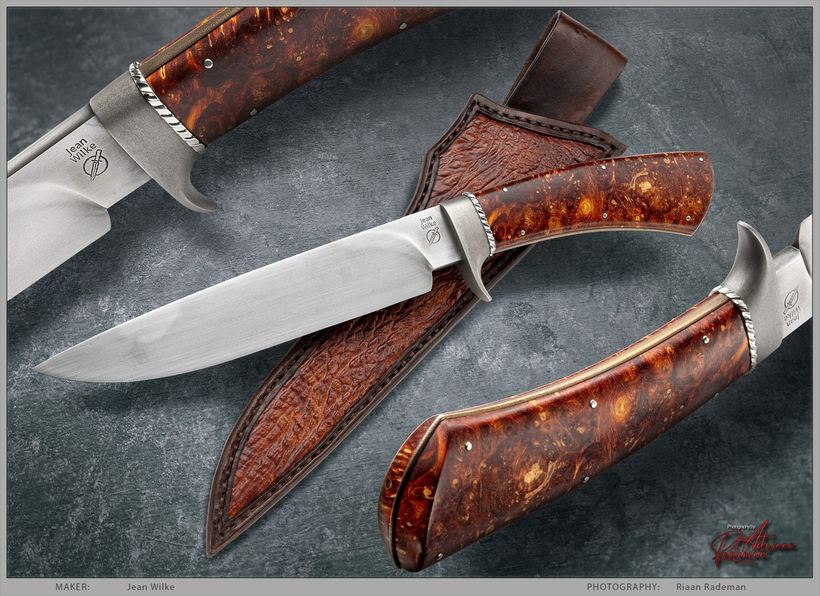
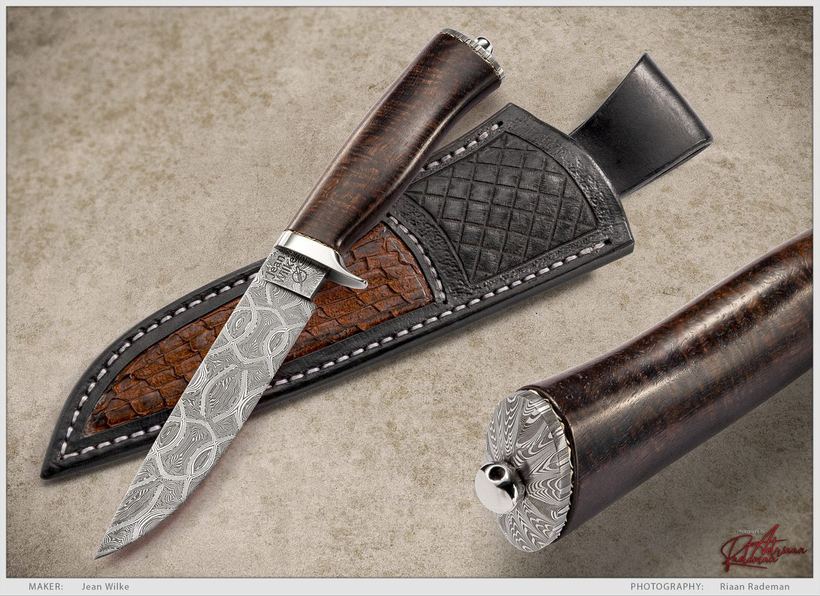

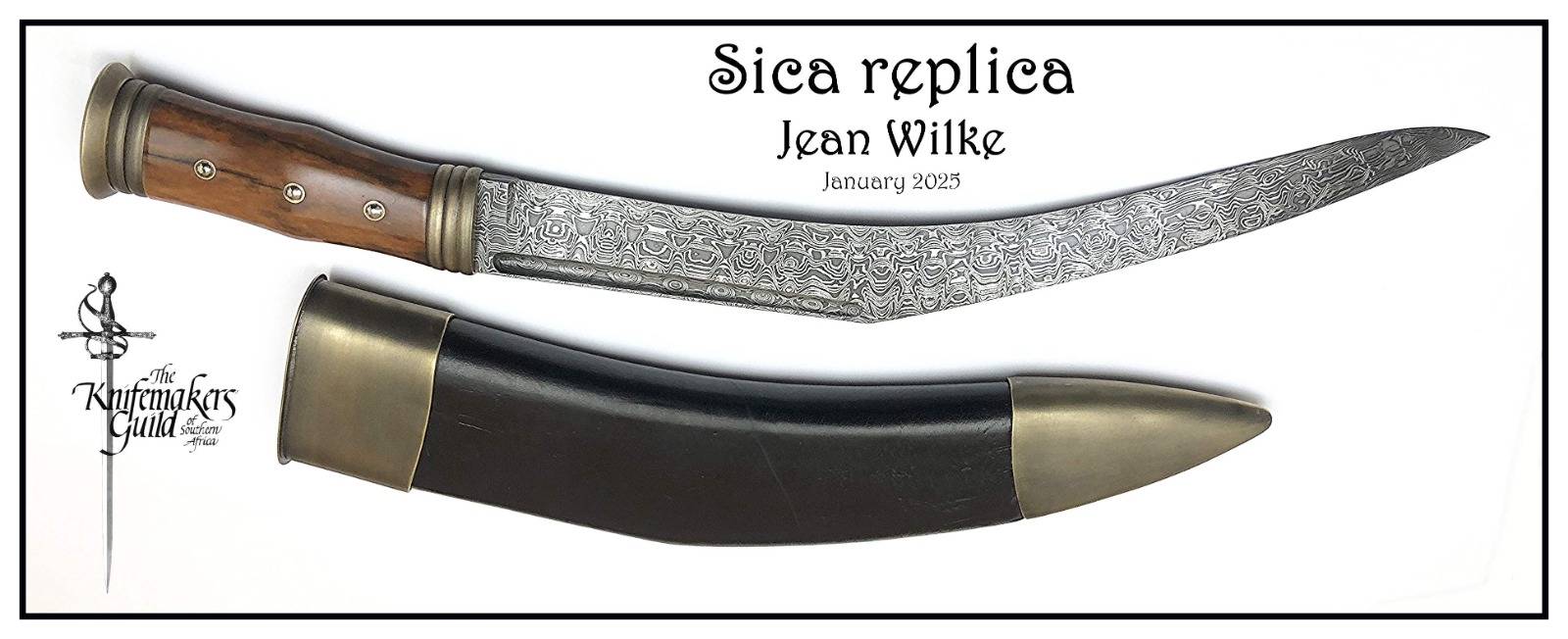
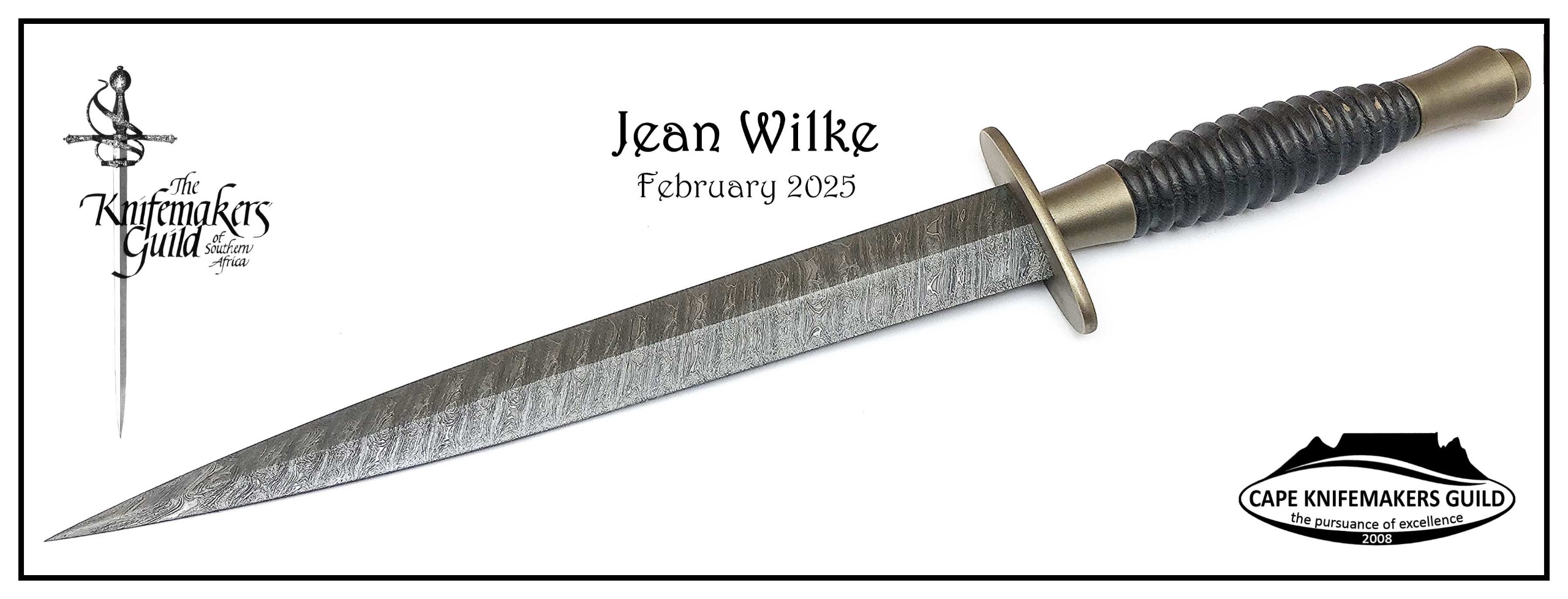
Our Collections & Services
From one-of-a-kind Guild Standard showpieces to reliable EDC tools and immersive knifemaking academy courses.
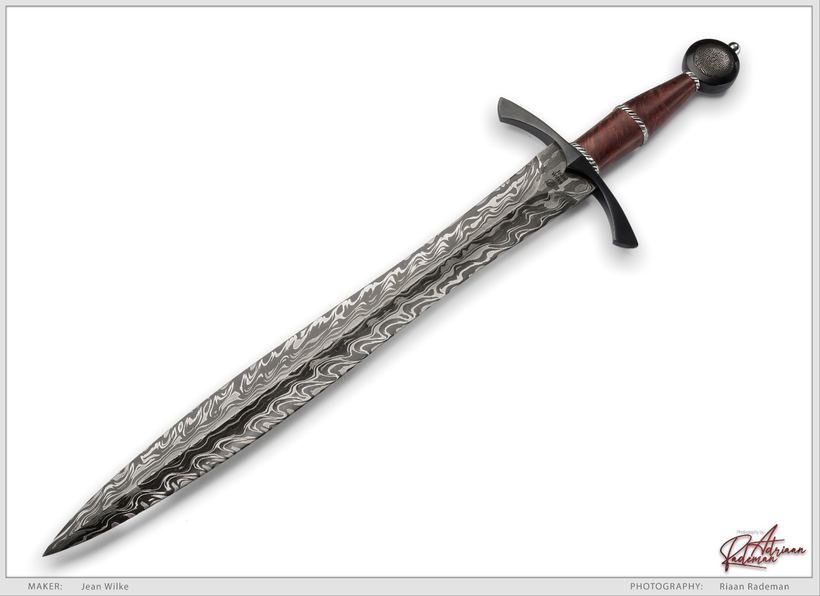
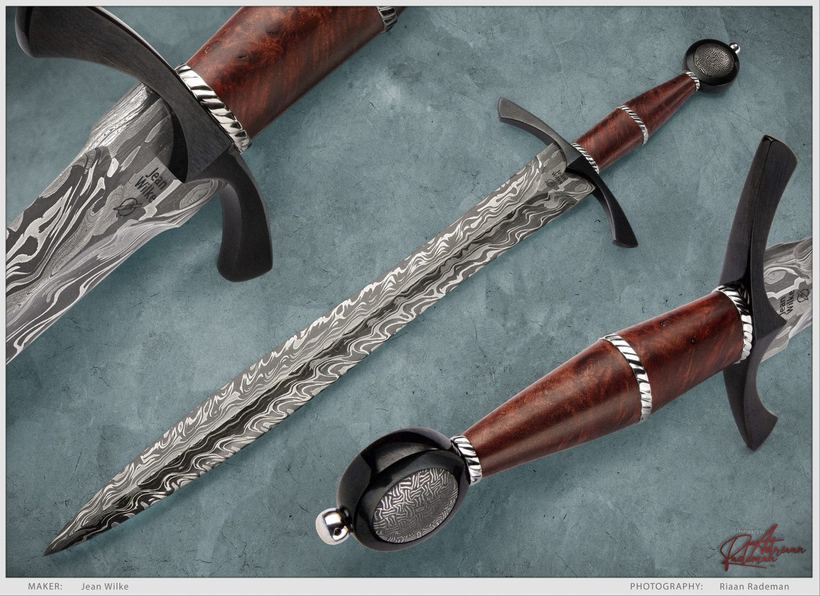
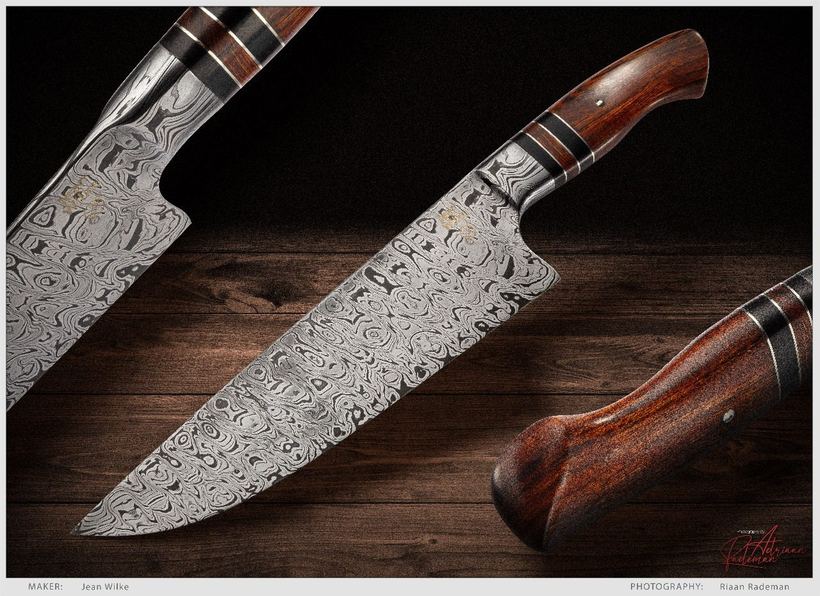
Jean Wilke Custom Knives
High end, one-of-a-kind collector pieces made by Jean Wilke, priding himself on sole authorship of every piece and part.
Explore Custom KnivesFire Goby Forge Knives
Tough mono-steel blades, Kal-Gard protective coatings, and precision Kydex sheaths. Named after fish: Sardine, Tuna, Wrasse.
View ModelsBladesmith Courses
2-Day Forge Knife Making, 1-Day Leather Sheath Making, and 3-Day immersive combinations taught by Jean Wilke in Pretoria.
Academy CoursesWerner Hattingh Knives
Innovative, highly practical designs crafted by rising talent Werner Hattingh under the mentorship of Jean Wilke.
Discover Werner's WorkKydex Products
Custom-moulded Kydex sheaths and holsters made while you wait, crafted to your exact fit and tension preference.
Explore ServicesJohandré de Vries
Innovative, highly practical designs crafted by rising talent Johandré de Vries under the mentorship of Jean Wilke.
Discover Johandré's WorkThe Forge In Action
Witness the heat, dedication, and precision that goes into every sole-authorship blade crafted at Fire Goby Forge.

What Our Customers Say
Endorsements from Guild judges, international retailers, professional chefs, and course graduates.
“Jean Wilke is an exceptional bladesmith. Having initially apprenticed with Kevin Harvey at Heavin Forge, Jean combines tremendous skills at the forge with a dynamic and creative sense of design. His knives consistently combine refined forging with ergonomic designs to create knives that won’t disappoint. Whether looking for a hunter/utility for daily use, a presentation bowie for the collection, or a recreation of the Zulu Assegai Spear, award-winning knifemaker Jean Wilke is easily up to the task.”
“During my tenure as Chief Judge of the Knifemakers’ Guild since 1999, and now as Emeritus Chief Judge, I have evaluated a great many blades, and I was delighted to be fortunate enough to add Jean’s exceptional Damascus Kaleidoscope hunter to my collection... The cutting edge is precise, even and very keen; the point is needle-sharp and robust. Finally, the logo is struck with absolute clarity, providing a sharp, well-defined signature that acts as a final seal of quality on a superior build.”
“I have judged Jean’s knives on several occasions, and his work has always demonstrated exceptional craftsmanship, balance, and finish. Each piece reflects a deep understanding of materials, function, and aesthetics. As a customer, I can say with complete confidence that Jean’s knives are as outstanding in use as they are in presentation. I personally own four of his knives, each of which I value highly for its performance, durability, and craftsmanship.”
“I clearly remember receiving my very first Jean Wilke chef knife. I had just been accepted into culinary school, and from that moment on, it has been me and that knife against the heat of the industry. I’ve used it professionally for several years now, and it has become one of the most reliable tools in my kitchen. Its balance, edge retention, and the way it fits perfectly in my hand make it feel as though it was made specifically for me.”
“I have done a number of Jean Wilke’s variety of knife courses and all are exceptional! He explained techniques clearly and emphasized both precision and safety. The instructions were practical and easy to follow. I learned proper knife handling, cutting techniques, and safety tips that I’d never been taught before. Also taking home a beautiful, useful tool which I LOVE using in my kitchen. I’d highly recommend his courses to anyone.”
“So, I first met Jean many years ago when he was still in school. Through a good friend of the family, my son and I went on one of Jean’s first knife forging workshops, where we made a simple knife out of a piece of rebar. I still have that knife, and it’s still sharp 🙂. I have built up a good collection of Jean Wilke knives and the quality just keeps getting better and better since the early days. I am glad I was able to support a young man with a bright future.”
Frequently Asked Questions
Learn about our knife craftsmanship, steel metallurgy, guild standards, and ordering processes.
Jean is a multi-award winner at most of the top knife shows in South Africa, has an agent in the USA, and serves customers globally. Remarkably, in just 10 years (five of which he spent at school), Jean has achieved what many makers do not accomplish in a lifetime.
High-end Jean Wilke Guild Standard knives are one-of-a-kind pieces and are not repeated. Other designs may be made again. Jean does not maintain a traditional order book, but there are several knife levels available through Jean and his business, Fire Goby Forge:
• Jean Wilke Guild Standard knives – Available via Blade Gallery (bladegallery.com), Annual KGSA show, or select one-on-one sales.
• Jean Wilke day-to-day knives – Available through the website and various stockists.
• Fire Goby Forge knives – Available through the website and selected stockists.
You never need to be without a Jean Wilke—or Jean Wilke-inspired—knife.
Custom knives, on the other hand, are made by a single maker (or a very small team). They are often unique pieces, created with exceptional attention to detail, creativity, and purpose. Many custom knives are as much works of art as they are functional tools.
Commercial knives are produced to a fixed specification with consistent quality control. A cheaply made mass-produced knife will generally be low quality and lose its edge quickly, while reputable brands deliver reliable performance.
A high-end custom chef’s knife by Jean Wilke, however, is a true work of art. With exceptional heat treatment and craftsmanship, it will outperform most commercial knives in performance tests.
Short answer: A custom knife made by a top maker should be superior in both aesthetics and performance.
Commercial knives focus on speed and efficiency, often sacrificing certain processes. Large production volumes allow for lower material costs.
Custom knives are an extension of the maker’s name and reputation. Pride, craftsmanship, and attention to detail replace factory shortcuts. A custom knifemaker may spend an entire day hand-polishing a blade—because “good enough” is never good enough.
Custom knifemakers must still make a living, and the price reflects the time, expertise, and care invested in each piece.
They are part artist, part craftsman, with a healthy dose of obsession. Standing in front of a forge—hot, dirty, and exhausted from swinging a heavy hammer—they still have the ability to create a fine art piece that “makes love to the eyes.” That same piece of art can then be taken into the harshest environments and perform its duty as “just a knife.”
A rare subspecies of human—homo knifemaker—they represent the very best of human creativity and innovation.
A more measurable indicator is membership in professional associations. Some organisations require makers to meet strict standards before admission.
In South Africa, the premier organisation is the Knifemakers’ Guild of Southern Africa (KGSA). To gain membership, a maker must submit five knives to a judging panel and, after acceptance, continue producing knives of at least that quality.
Jean Wilke was the first person admitted to the KGSA while still a full-time schoolboy—at just 18 years and one month old.
Carbon steel contains little to no chromium, while stainless steel includes higher levels of chromium and other alloying elements. Chromium reduces corrosion by limiting the formation of iron oxide (rust). As a result, carbon steel knives are more prone to rust than stainless steel.
There are trade-offs, however. Some stainless steels have lower edge retention, cannot produce Hamon lines, and cannot be hot-forged—making them less creatively exciting. So what is the best knife steel? There is no single answer. It depends entirely on what you want.
Typically, this involves a high-carbon steel such as 1085 or 1095 combined with a high-nickel steel such as 15N20 or 75Ni8. The layers are stacked, heated to just below melting point, and bonded through pressure from a hammer or press.
The steel is then folded, cut, twisted, and rewelded to create the striking patterns seen on this website. The final step is etching the steel in a mild acid. The carbon steel darkens while the nickel remains bright, revealing the pattern.
Admission is tightly controlled by a panel of highly skilled and respected judges using a strict evaluation process. Applicants must submit five knives, and only exceptionally well-made pieces pass. After acceptance, members continuously review each other’s work to ensure standards are met and exceeded.
The annual Guild Show is the highlight of the knifemaking calendar. Jean has won multiple awards across several categories.
They are strong supporters of South African makers and provided significant assistance during COVID. Each maker has a dedicated page and may also appear in curated sections such as New Knives, Staff Picks, and Award Winners.
Jean has been selling through Blade Gallery since 2020. While he offers a limited number of pieces, some of his finest work has been sold through them.
Ready To Own An Heirloom Or Forge Your Own?
Whether you are seeking an exquisite presentation piece, a tough everyday carry knife, or a seat at our anvil, we welcome you to Fire Goby Forge.